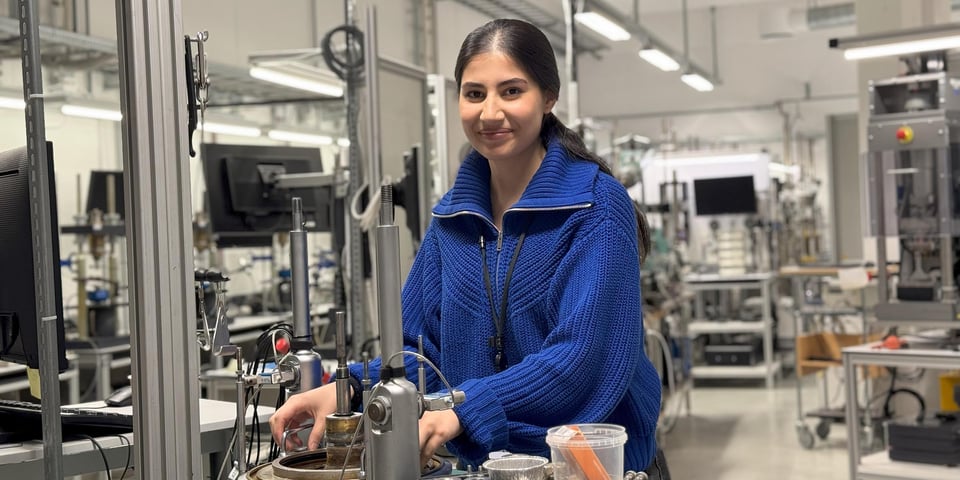
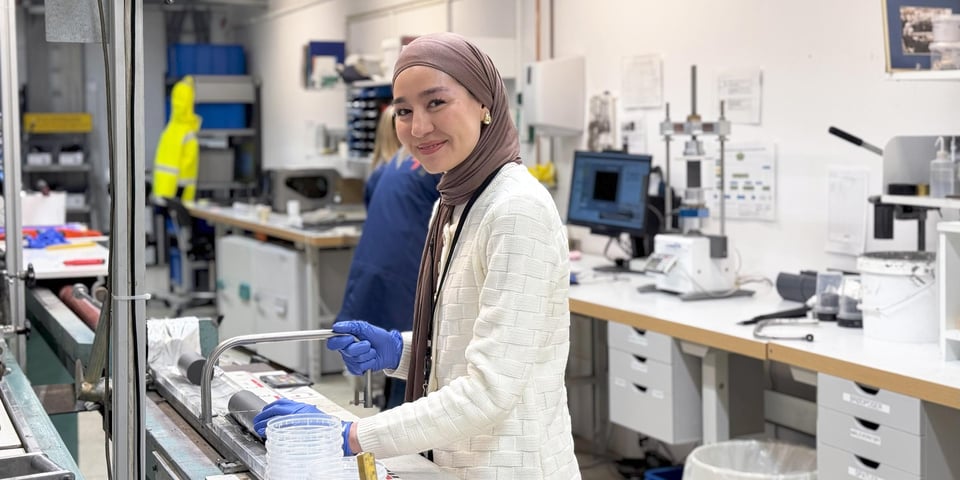
Aspiring geotechnical engineers with part-time jobs at the NGI Lab
Sajida Ali Rizai is pursuing a master's degree in geotechnics at OsloMet. Maryam Sadat is applying for the same specialisation after three years in the Bachelor's Degree Programme in Civil Engineering.
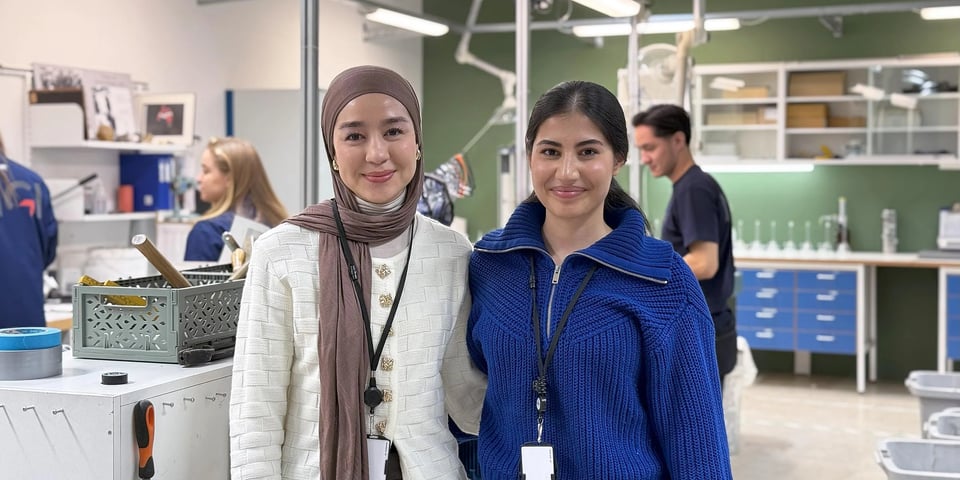
During their bachelor's degree in civil engineering, Sajida and Maryam were introduced to geotechnics.
"I got an incredibly good impression of the professors in the introductory geotechnics course during my bachelor's degree. They were so engaged and lively in how they explained the subject," says Sajida.
High demand for geotechnical engineers
Specialising in geotechnics appears to be a safe choice as Maryam is about to chart her course at the master's level.
"Geotechnical expertise is still in demand even though the construction industry may have stagnated a bit. As a geotechnical engineer, you are involved in everything from road construction to the foundation of offshore wind farms. I also want to make a difference in facing future climate challenges," says Maryam.
Her interest in soil properties and building foundations made Sajida choose the master's degree in geotechnics. Almost halfway through, she also praises the structure of the programme.
"The geotechnics master's degree is directly aimed at practical work life afterward. I feel confident about what awaits me out there. It also helps that the professors are world-leading in the field," says Sajida.
Part-time job complementing the study programme
We met the future geotechnical engineers in the laboratory at the Norwegian Geotechnical Institute (NGI), where they both work part-time alongside their studies at OsloMet.
Sajida believes that the work she does in the lab gives her an advantage in her studies.
"There are several instances where I have already gained practical experience before it has become part of the curriculum. I then feel like I am a bit ahead and can more easily understand the theory in the lecture hall," she explains.
They are pleased about the opportunity to be close to skilled professionals.
"The best thing about NGI is the people," say Sajida and Maryam.
"I feel very confident that no question is too stupid. There is generally a very good environment here," adds Maryam.
Student stories
- Life as a student
A guide to making friends with Norwegians
While befriending the locals may take a little extra effort, it can help you experience Norway from a whole new perspective.
- Life as a student
Eight ways to experience Norwegian culture in Oslo
Embrace the great outdoors, sample the local cuisine, and hang out with friends at a safe distance. Here are some ways to spend your free time like the locals do.
- Life as a student
Oslo has the perfect mix of city and nature
“In Oslo you can go hiking in the woods during the day and go out partying in the evening, ” says Julia, an exchange student from Germany.
- Life as a student
Oslo is not as expensive as you think
The rumours are true—Norway is a relatively expensive country. On the other hand, you will end up spending less on some things in Oslo than you would back home.