Young people use cannabis in different ways – one group raises concern
Researchers categorize young cannabis users into four groups. For most, it's about curiosity, belonging, or exploring new youth identities. But for a few, usage is linked to loneliness and mental health challenges.
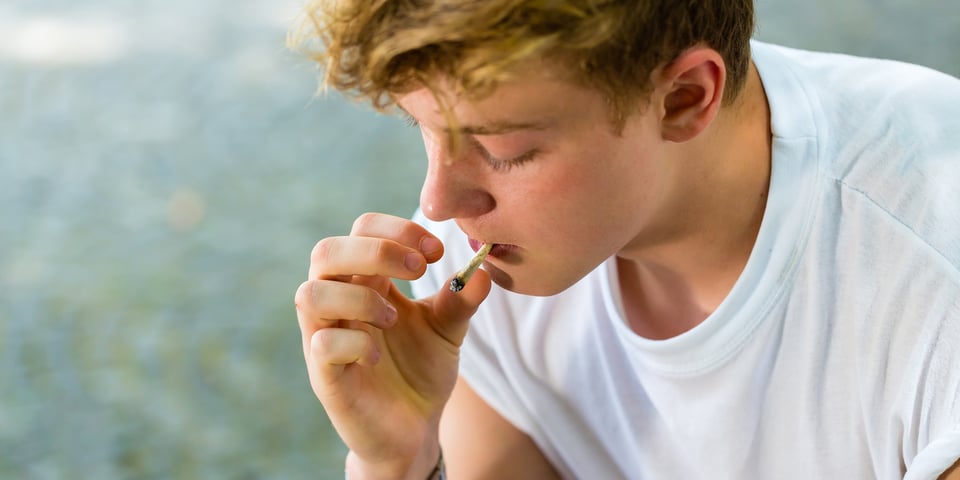
Cannabis is the most used illegal drug in Norway. According to recent surveys from Statistics Norway (SSB) and NOVA at OsloMet, consumption has increased in recent years, especially among young men.
This trend has raised concern among professionals and the public, as adolescence is a particularly vulnerable phase when it comes to initiating cannabis use.
A new article in the international journal Contemporary Drug Problems presents findings from a study conducted by researchers from OsloMet, in collaboration with colleagues from the Norwegian Institute of Public Health (FHI), Fafo, and VID.
“Through the study, we wanted to understand how young people use cannabis and how they themselves interpret and give meaning to their use,” says researcher Ola Røed Bilgrei at SIFO, OsloMet.
The researchers followed over 100 Norwegian adolescents from the age of 12–13 until they were 18–19. Interviews with the youth revealed significant variation in how they use and understand cannabis, but four distinct usage patterns emerged.
Four types of cannabis users
Based on usage patterns and the youths’ own explanations, the researchers categorized them into four groups: the coincidental, the occasional, the subcultural, and the compulsive. Most belong to the first three groups.
- The coincidental users: Have tried cannabis once or a few times out of curiosity or because the opportunity arose, with no intention to continue. They do not see it as part of their identity.
- The occasional users: Use cannabis rarely and in specific situations (typically at parties with friends) and set personal “rules” to keep usage low and controlled. Cannabis may have social value, as long as it remains moderate and within what is considered acceptable in their peer group.
- The subcultural users: Use cannabis as part of alternative styles and environments – with rituals, symbols, and language that mark a distance from the “mainstream.” Often more frequent use and greater knowledge of the surrounding “culture.”
- The compulsive users: Quickly develop a strong attraction to cannabis and increase usage rapidly, often as a way to cope with anxiety or life challenges. They tend to have less support around them and experience less control over their situation.
“Many try cannabis a few times out of curiosity or to explore new aspects of youth life. For others, it becomes a bigger part of their social life,” says Bilgrei.
One group stands out
One group stands out: youth who use cannabis frequently and face other life challenges such as difficult family circumstances, criminal activity, and mental health issues.
“For this group, cannabis becomes a way to cope with everyday life. But at the same time, the use often leads to further problems. It can be a sign that they are struggling more than others,” Bilgrei adds.
No one-size-fits-all solution
The study shows that there is no single type of youth who uses cannabis, nor one simple explanation. The researchers emphasize the importance of adults – parents, teachers, and support services – understanding these nuances.
“Not everyone needs moral lectures or worried looks. Some just need to be met with calm and understanding. Others need more help,” says co-researcher and co-author Rikke Tokle at NOVA, OsloMet.
Aiming for a more nuanced debate
The researchers hope their findings will contribute to a more nuanced debate about youth and drug use.
“When we talk about cannabis, we need to see the whole picture. It’s not just about the substance, but about young people’s social lives and the cultural currents that shape them,” says Tokle.
About the study
The article is based on data from the Norwegian Institute of Public Health’s study Monitoring Young Lifestyles (MyLife), which includes 290 longitudinal, qualitative interviews with Norwegian youth, conducted in five rounds from when participants were 12–13 years old in 2015 until they were 18–19 in 2021.
Reference
Bilgrei, O.R., Tokle, R., Skjælaaen, Ø., Buvik, K., & Scheffels, J. (2025). Shades of Green: Towards a Typology of Adolescent Cannabis Use (sagepub.com). Contemporary Drug Problems (Sage Journals).