Rising concern for capacity-overload in Norwegian municipalities
“Record-high immigration and new restrictions aimed at making Norway less attractive to people fleeing their countries.” This is how a new OsloMet report summarizes the key developments in the field of immigration.
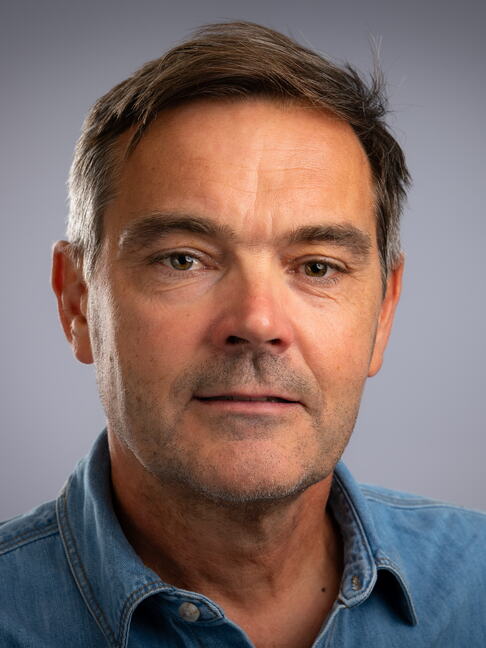
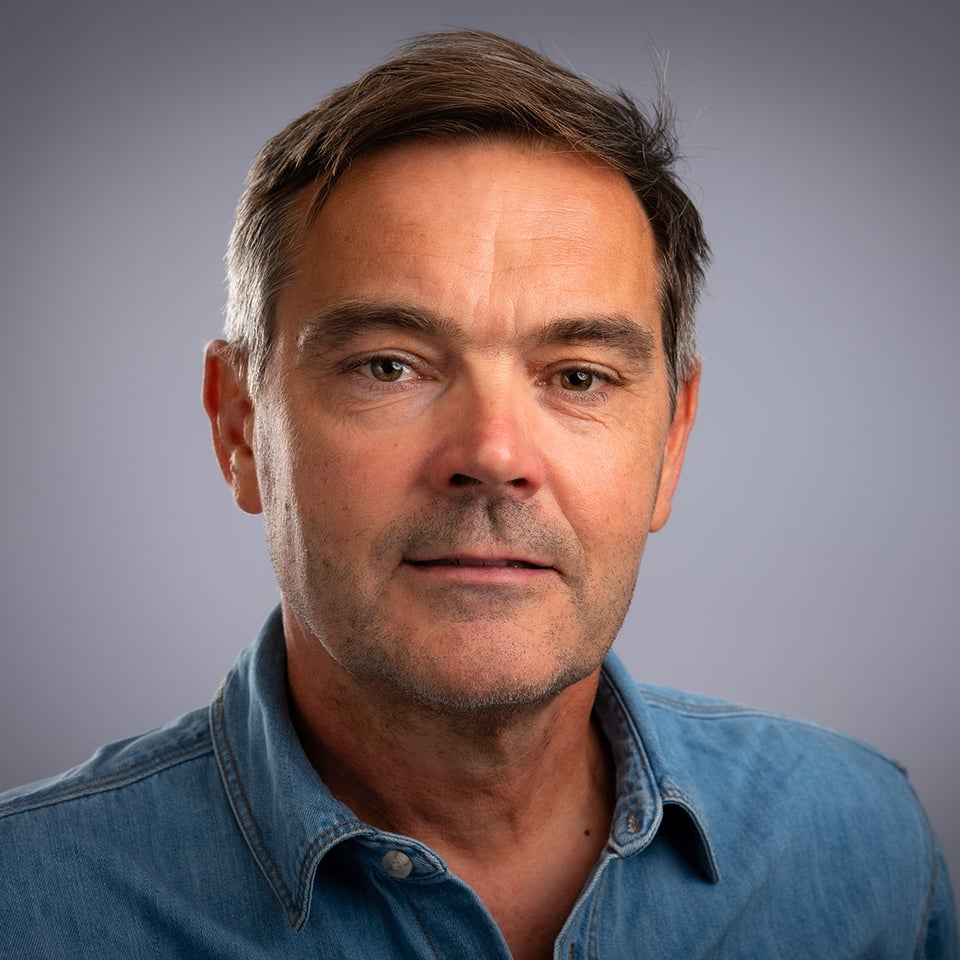
"We have had record-high immigration in the last two years, mainly due to Ukrainian refugees coming to Norway," says Kristian Rose Tronstad, Head of Research at the Norwegian Institute for Urban and Regional Research (NIBR) at Oslo Metropolitan University.
He is responsible for the report Migration and Integration 2023–2024 (oda.oslomet.no), which is Norway's official contribution to the OECD's (Organisation for Economic Co-operation and Development) annual global migration analysis, International Migration Outlook.
Overwhelmed capacity
Tronstad emphasizes that it is not just the volume of migration that is important. The composition matters a lot.
"A high number of refugees, for example, puts a greater strain on Norwegian municipalities, including finding housing and income-generating work for everyone."
He believes the public debate on immigration shows how Norway is caught between enthusiasm and concern.
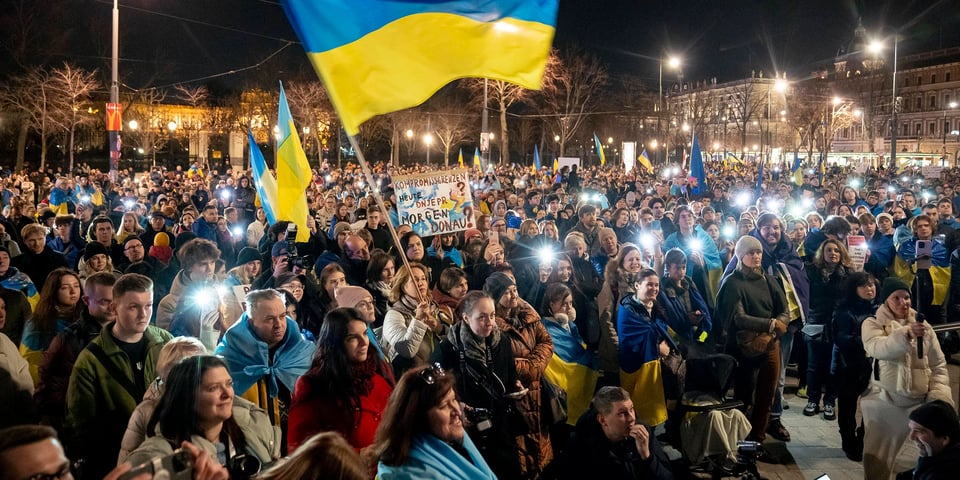
"People across the country, and many Norwegian municipalities, have contributed enormously to help Ukrainian refugees, and many see them as a welcome resource. We still have a high degree of sympathy," says Tronstad.
He adds: "But at the same time, there has been increasing concern that the municipalities' capacity to settle and integrate the refugees is overwhelmed. The same applies to regular municipal services, such as schools, kindergartens, and health and care services."
A topic that engages voters
Tronstad believes the debate on immigration and integration will become a major election issue before the upcoming Norwegian parliamentary election this fall.
He hopes the OECD-report can serve as a knowledge base for future discussions.
"Immigration issues have received increased attention in national elections in several countries, and the support for parties that play on xenophobia has increased significantly," says Tronstad, pointing out that:
- This year's election in Germany made the anti-immigration party Alternative for Germany (AfD), which received 20.8 percent of the votes, the second-largest party in the country.
- The Sweden Democrats have had a significant impact on Swedish immigration and integration policy.
- President Donald Trump in the USA has stated that migration policy, not his economic policy, was the main reason for his election victory last year.
"The examples show that immigration is a topic that engages voters and can have a significant impact on political outcomes," explains Tronstad.
Among the most tolerant
Surveys of attitudes towards immigration show that people in Norway are among the most tolerant in Europe.
As we have become an increasingly diverse population, the trend is that people have become more positive towards immigration.
"But this can change, and it can change quite quickly. Sweden and Germany are examples of countries where attitudes towards immigration cooled and became much more restrictive after the refugee crisis in 2015. The same can happen here," says Tronstad.
He emphasizes the need for an open and inclusive dialogue on migration and integration.
"Although immigration is a field that both excites and concerns, I would argue that the debate here in Norway has become more nuanced and fact-based in recent decades. Despite strong fronts, there has been greater tolerance for pointing out both the challenges and opportunities that immigration brings," he continues.
Stricter policies
In 2023 and 2024, the Norwegian population increased by about one percent per year.
The last time Norway was close to increasing its population this much in one year was in 2011, when labor immigration from Poland and Lithuania was at its peak. Poles are still the largest group of foreign-born in Norway, but Ukrainians are now the second-largest group.
To manage and reduce the large influx of refugees from Ukraine more effectively, the government introduced a number of restrictions. This included, among others, limitations on travels back to Ukraine.
"Previously, they could travel freely back to Ukraine without losing their temporary protection status. But now a 'legitimate purpose' is required for the trip, and they must follow strict criteria," says Tronstad.
Norway was the first country, and is currently the only country in Europe, to have this provision.
People with dual citizenship in a safe third country, as well as newcomers from so-called safe areas in Ukraine, also no longer automatically receive temporary collective protection in Norway.
"The areas considered safe are primarily areas where Ukrainian authorities have a high degree of control, and where Russia has little or no control and influence," notes Tronstad.
International trends
The OECD monitors international migration trends and policies and conducts extensive analyses of migrants in OECD countries.
"By including, harmonizing, and comparing data and analyses from many different countries, it is possible to identify common challenges and potential solutions across borders," says Tronstad.
"It is a unique resource for understanding the dynamics of international migration, and an important source for policymaking," he adds.