Showing: 12 of 28 articles
This paves the way for a more flexible future for patients.
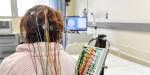
A routine brain test already available in many hospitals, combined with artificial intelligence, can detect early signs of Alzheimer’s disease — without needles or expensive brain scans.
When language fails, using search engines to find information becomes almost impossible.
A major Nordic study shows that local authorities played a crucial role in handling COVID-19 – and why trust and flexibility are key to surviving future crises.
Employees in open-plan and shared offices are more likely to report poor indoor climate compared to those working in private offices.
AI could make assisted reproductive technology significantly more effective, but professionals are often sceptical. There is a need to build greater trust among them, says researcher.
Many people with amputated arms and legs struggle with phantom pain. At OsloMet, a new treatment is being studied, in which Pål Røhnebæk and other patients practice moving their amputated legs.
“We know that it is beneficial to build physical spare capacity whilst young, but it needs to be maintained throughout life. Otherwise, the account balance will quickly dwindle,” researcher says.
Attitudes alone do not determine who will provide help when the need arises.
Millions of people experience chronic pain and migraine, but until recently there were very few treatments available. That’s changing now, thanks to professor Parisa Gazerani’s work.
Barnahus is an innovative model of caring for and supporting children who have been the victim of violence and sexual abuse. It provides a safe and supportive environment to meet their legal, medical, and psychological needs.
Dementia affects millions of people each year. It’s a problem that most of us will encounter in our lives and it does not yet have any cure or even effective early detection methods.